Western Australia

Western Australia

Indigenous knowledge is key to saving the great desert skink and other species

By environment reporter Peter de Kruijff, ABC Science.
 

WHEN Christine Ellis was young, she would watch her mother cooking with an open fire in the Tanami Desert.

One meal she remembers being prepared was warrarna, the Warlpiri name for a great desert skink (Liopholis kintorei).

Measuring up to 44 centimetres long, these desert lizards can be coloured like a sunset, with bright orange back scales that transition to a yellow belly.

Ms Ellis’s mother would cook the lizards on the coals and peel the charred skin from their back and belly.

“We’d just wait patiently to when it was cooked and then mum would cut it in half,” Ms Ellis said.

“The tail was nice, it was like fish.”

But the lizard is no longer eaten for fears it could go extinct.

“Now we look after them [warrarna],” Ms Ellis said.

Warrarna on threatened species list

The warrarna was added to Australia’s national threatened species list in 2000 after cats, foxes and a lack of fire management in some parts of its range contributed to a population decline.

The decline in lizard numbers is impacting the cultural wellbeing of desert communities where the warrarna is recognised in art, stories and song.

That’s because of its status as a significant entity in ‘tjukurrpa’ (which refers to both a historical creation period for the world by ancestral beings and a current living force).

But there are hopes the lizard could one day be brought back to a point that is strong both in population and cultural health.

Such an outcome may even see it sustainably eaten again.

And now the knowledge of Ms Ellis, a Warlpiri ranger and expert tracker, and other traditional owners is at the forefront of preventing the lizard’s extinction.

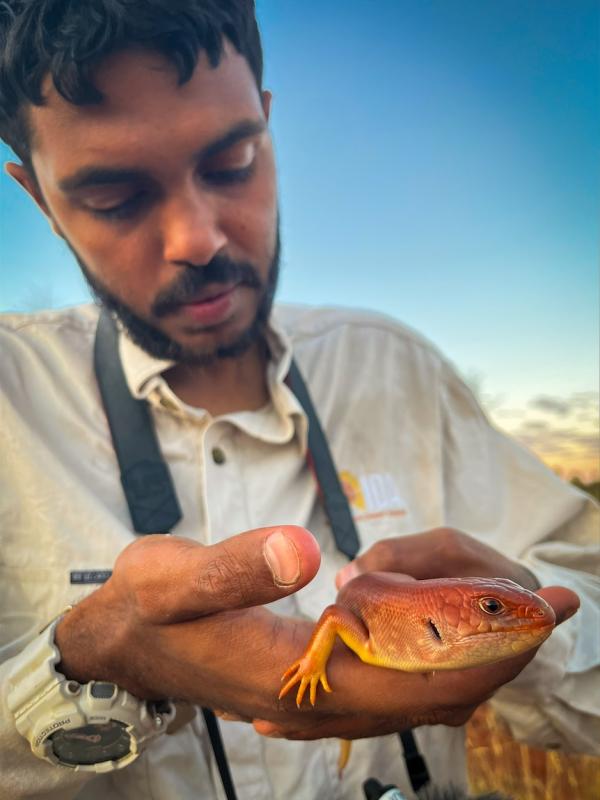
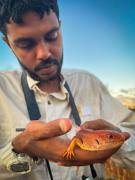
NicolasRakotopareKerenza-Sunfly-from-Indigenous-Desert-Alliance-holding-warrarna

The warrarna, as held by Kerenza Sunfly from Indigenous Desert Alliance, is a culturally significant species. Photo: Nicolas Rakotopare.

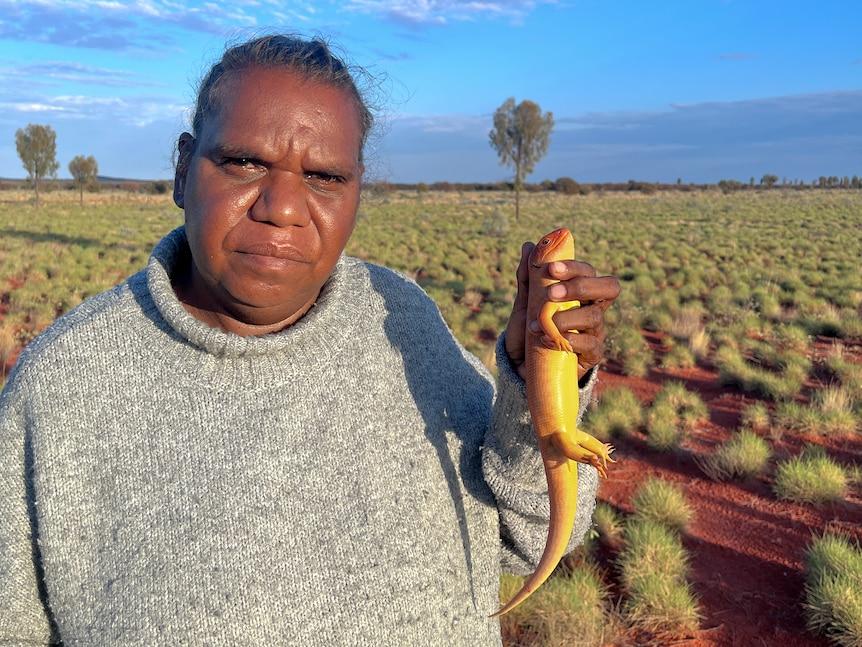
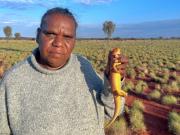
Photo of Warlpiri ranger Christine Ellis is part of an Indigenous-led program protecting great desert skinks. Photo supplied: Indigenous Desert Alliance.d-by-Indigenous-Desert-AllianceWarlpiri-ranger-Christine-Ellis-holding-great-desert-skink

Warlpiri ranger Christine Ellis is part of an Indigenous-led program protecting great desert skinks. Photo supplied: Indigenous Desert Alliance.

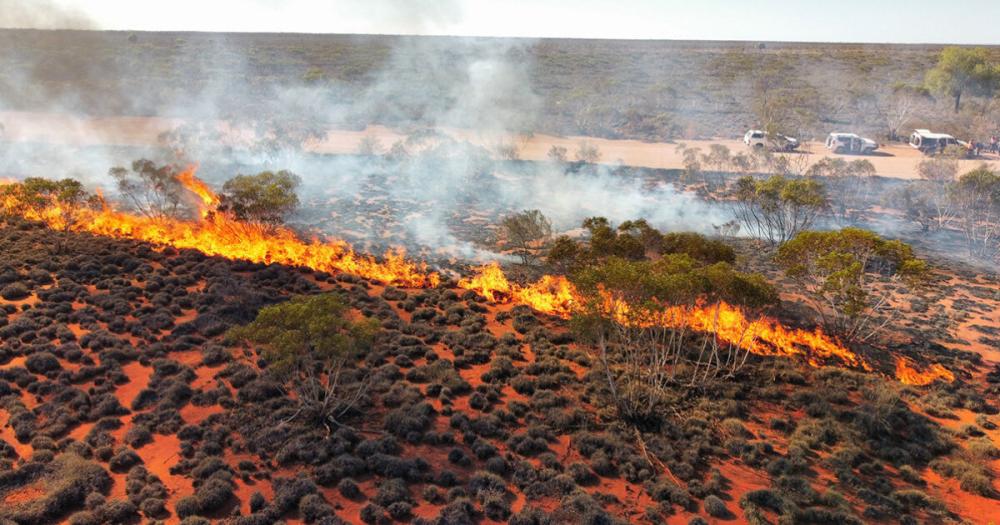
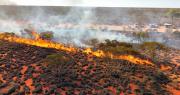
Photo of Indigenous cultural burning of the outback lands.

Cultural burning is one of the key management tools for conserving the lizard and other species. Photo supplied: Kayshun Murray.

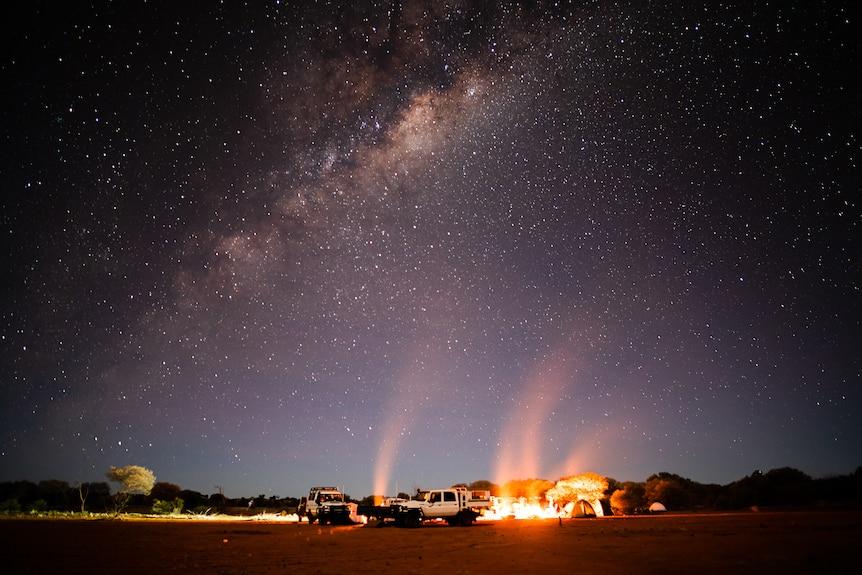
Photo of outback campers at night, by firelight, under a starlit sky.

Plants, animals and the land are all intrinsically linked with First Nations groups and their culture. Photo supplied: Andre Sawenko.

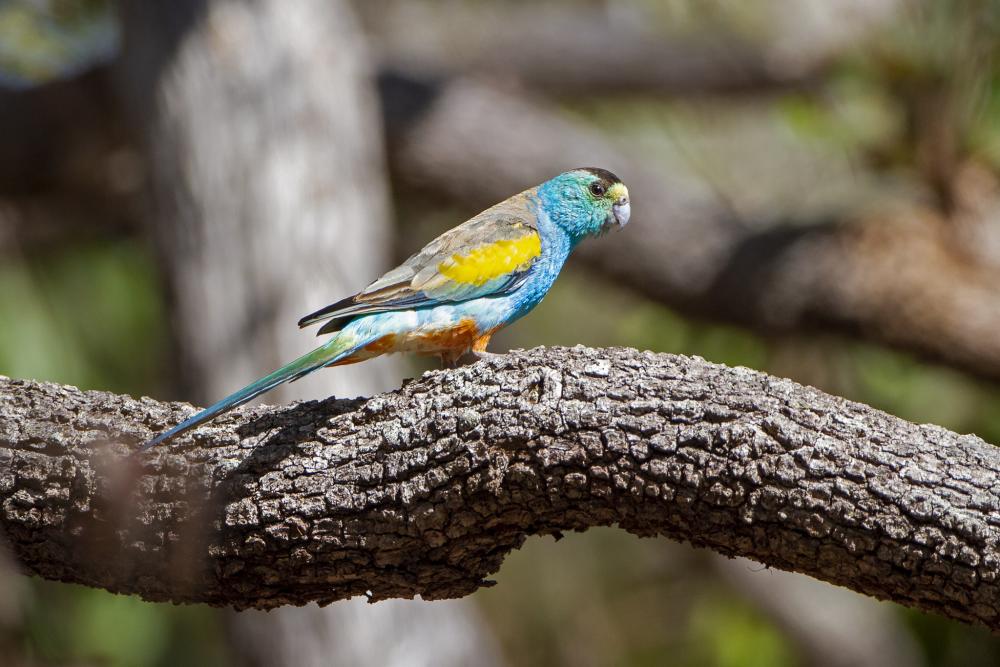
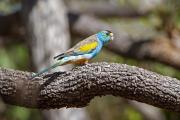
Photo of a golden-shouldered parrot (or alwal) on a tree branch.

The golden-shouldered parrot or alwal could soon have an Indigenous-led recovery plan for the species. Photo: iNaturalist | Steve Murray, CC BY-NC 4.0.

NicolasRakotopareKerenza-Sunfly-from-Indigenous-Desert-Alliance-holding-warrarna
Photo of Warlpiri ranger Christine Ellis is part of an Indigenous-led program protecting great desert skinks. Photo supplied: Indigenous Desert Alliance.d-by-Indigenous-Desert-AllianceWarlpiri-ranger-Christine-Ellis-holding-great-desert-skink
Photo of Indigenous cultural burning of the outback lands.
Photo of outback campers at night, by firelight, under a starlit sky.
Photo of a golden-shouldered parrot (or alwal) on a tree branch.

Aboriginal-led conservation science

Two years ago, traditional owners from Australia’s central deserts worked with scientists and the Federal Government to create the first national Indigenous-led species recovery plan.

Recovery plans are a set of management actions and plans to stop the decline or improve the numbers of flora and fauna on Australia’s threatened species list.

Having a set 10-year recovery plan enables funding to Indigenous ranger groups to utilise ‘two-way science’ — a mixture of Western science with traditional knowledge and land management techniques.

“We’ve been teaching other rangers how to track [warrarna],” Ms Ellis said.

Warrarna live in burrows in the desert sands in family groups of four or more, she added.

She has shown other rangers how to spot the burrows, which are close to communal latrines used by the skinks on the surface.

Indigenous Desert Alliance ecologist Rachel Paltridge, who helped assemble the recovery plan, said it had become competitive between ranger groups to find the most burrows.

“We’ve got a trophy now and awards for who gets the most burrows and who does the best work with the schools,” Dr Paltridge said.

Sharing tracking skills across ranger groups has also helped them to find the best places to put traps for feral foxes and cats that hunt the lizards.

“We’ve got some great projects going on with ranger groups using the latest technology in cat control,” Dr Paltridge said.

“One group that has got hardly any great desert skinks left … they’re using grooming traps around the burrows and knocking off foxes and cats pretty regularly.”

Indigenous fire management boosted

There has also been more funding for fire management. Research earlier this year showed mosaic burning patterns, long used for land management by Aboriginal desert groups, was beneficial to lizards compared with uncontrolled wild fires.

Arabana woman and conservation scientist Teagan Shields, who was not involved in the lizard’s management, said the recovery plan had been a significant development in Indigenous-led conservation.

Dr Shields, who investigates how to empower Indigenous land and sea managers in biodiversity conservation, said one of the key achievements of the plan was how it incorporated traditional knowledge.

“One of the really interesting things when you look at the plan is they talk about the active use of that species as being a key success of that plan,” she said.

“The other thing it really did was open the pathway for other Indigenous-led plans.”

The Federal Government is currently considering another Indigenous-led recovery plan for the golden-shouldered parrot (Psephotus chrysopterygius) – known by the Olkola people as ‘alwal’ – in Far North Queensland.

Dr Shields, who works out of Curtin University, said the draft plan for the parrot went further than a single animal in terms of its cultural relationship with the broader ecosystem.

“The thing that it has, which probably hasn’t been seen before, is that interaction of these culturally significant species within the system,” she said.

The plan details how removal of dingoes (Canis lupus dingo) – known as ‘ootalkarra’ by the Olkola and revered as their ‘boss’ – can be detrimental to the parrot.

That’s because the presence of the dingo is believed to protect nests from predators of the bird.

“What we’re starting to see in these plans is the marrying of species … [and] talks about that whole systems approach,” Dr Shields said.

Increasing recognition of cultural knowledge

There is momentum building behind integrating traditional knowledge from around Australia into conservation planning by governments.

In June, the South Australian Government passed new biodiversity legislation that included the concept of “culturally significant entities”.

These entities can be a particular plant or animal species with strong cultural significance to traditional owners or even a place or ecosystem.

The legislation enables a First Nations committee to be established and requires a new policy to be developed for identifying and managing entities.

Lisien Loan, the director of conservation and wildlife from the state’s parks service, told the ABC such recognition would not block development but instead inform departmental planning.

“So things like a [state-level] threatened species recovery plan would need to consider whether that species is a significant cultural biodiversity entity, and involve First Nations in that development of the plan and recovery actions.”

South Australia was the first state or territory to recognise culturally significant entities in its law, but a project co-led by Dr Shields could lead to national change.

The project aims to come up with a nationally accepted definition of the concept, in consultation with First Nations people from around the country, which could be adopted federally.

Dr Shields said the idea wasn’t new, and drew on generations of knowledge.

“It just so happens that at the moment we’re getting some traction in this space, which is really positive,” she said.

The definition, to be made public soon, would also encompass species that may not be considered threatened at a state or national level.

Dr Paltridge said, in the communities she worked with, the Australian bustard (Ardeotis australis) and emu (Dromaius novaehollandiae) were two species considered culturally important but were not listed as threatened despite anecdotal decline in desert areas.

“They [ranger groups] would like to have more research on how we can increase them and look after them better,” Dr Paltridge said.

“We don’t want to wait until they’re so threatened that it’s difficult to recover them.”


Great desert skink names

Tjakura in Pitjantjatjara, Yankunytjatjara and Ngaanyatjarra languages.

Warrarna in Warlpiri language.

Tjalapa in Pintupi language.

Mulyamiji in Manyjilijarra language by Martu people.

Nampu in Manyjilijarra language by Ngalia people.

Aran by Anmatjere people.

This article by ABC Science environment reporter, Peter de Kruijff, is republished under an editorial sharing agreement between Wildlife Australia magazine and ABC News. It was originally published on August 10, 2025 on www.abc.net.au. To view the original article visit URL: www.abc.net.au/news/science/2025-08-10/great-desert-skinksaboriginal-speciesmanagementconservation/105426850 

#ends

Ad positions


  • Hits: 64

Western Australia flies in more black-flanked rock-wallabies to help secure much-adored Kalbarri colony


By Mike Sullivan

Adapted from information and transcripts supplied by Western Australia’s Department of Biodiversity, Conservation and Attractions (DBCA), DBCA’s public magazine Landscope, WWF-Australia and Wildlife Queensland.

ONE OF Western Australia’s great conservation success stories – relocating healthy and abundant black-flanked rock-wallabies from one region to another, where their numbers had dwindled to the point of being untenable – has opened a heart-warming and educative third chapter.

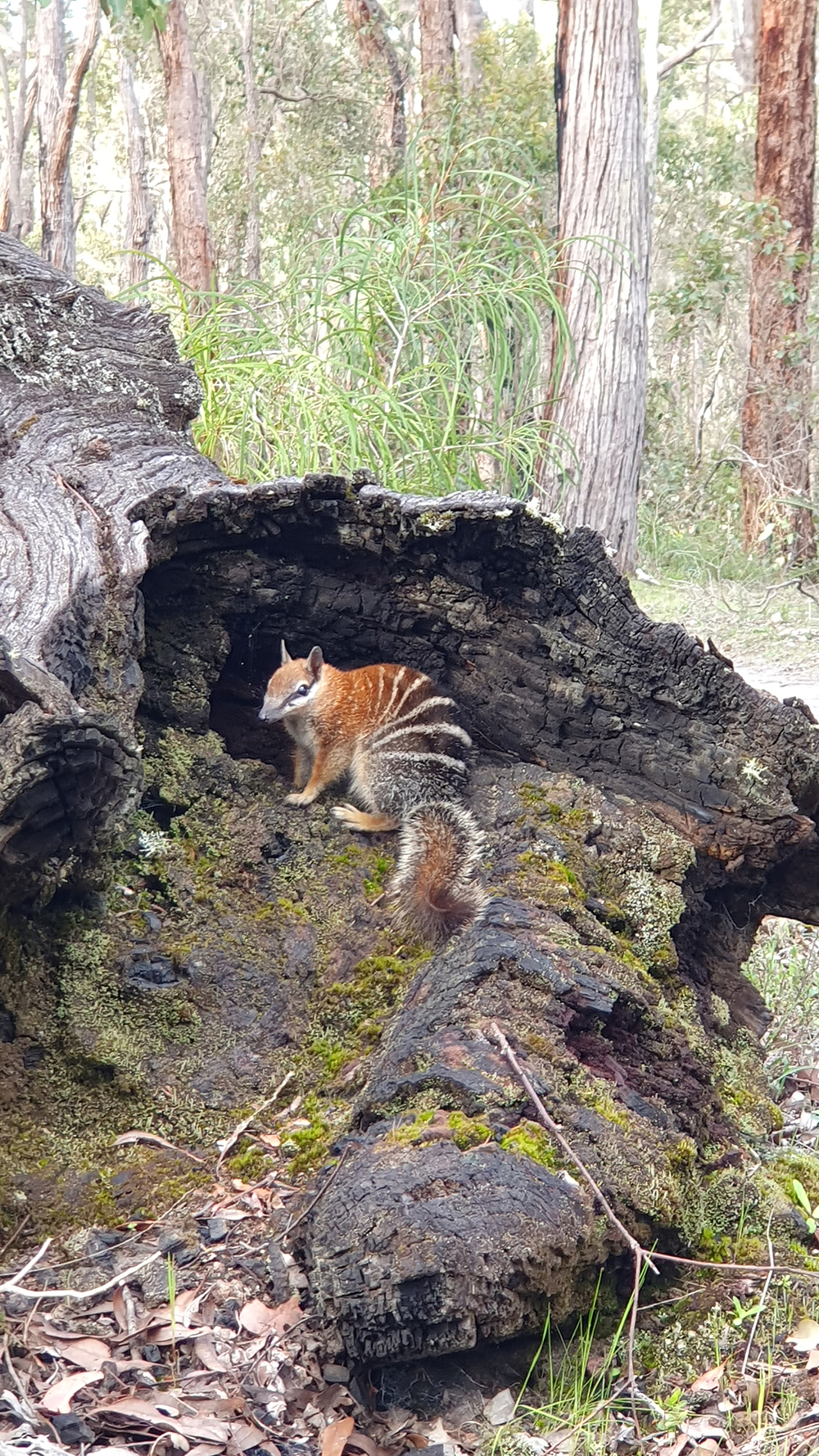
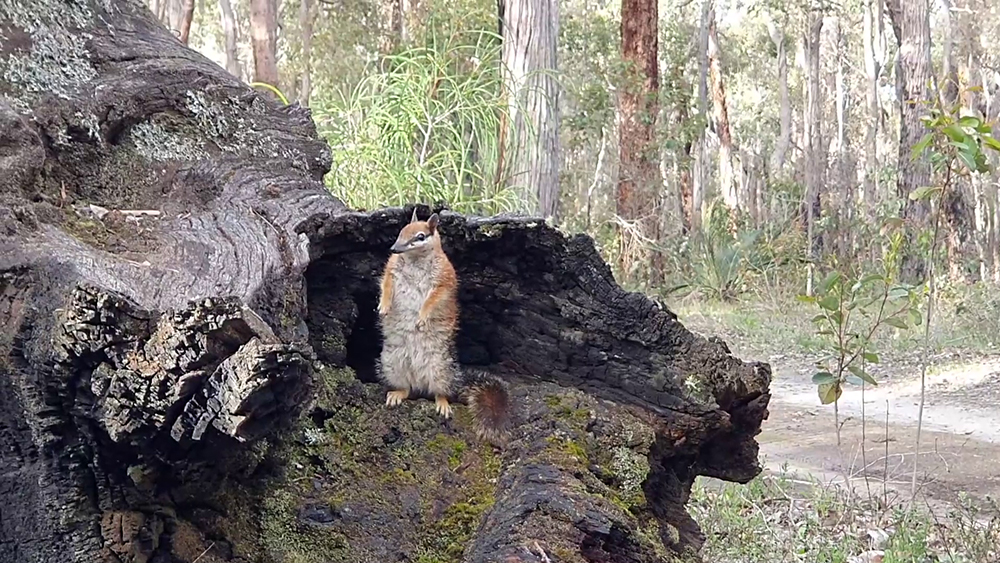
A few months ago, 44 endangered black-flanked rock-wallabies (Petrogale lateralis lateralis) were carefully captured, loaded and flown by private charter aircraft from a Wheatbelt nature reserve in WA to a spectacular new home at Kalbarri National Park. That is, a ‘new home’ that had been cleared of invasive and dangerous species – a new home that was discovered to have been a favourite ‘old home’ for black-flanked rock-wallabies for thousands of years.

The work of WA’s Department of Biodiversity, Conservation and Attractions (DBCA) and World Wildlife Fund (WWF) is an emotional story that Australia wildlife enthusiasts are coming to regard as establishing new benchmarks in how to avert the loss of a treasured species.

This was more than a ‘simple’ rescue mission – it also set clear conservation planning, funding, local community engagement, cultural and scientific parameters for success. Long-term success. Repeatable success. And, hopefully, success adopted and adapted by other regions of Australia, perhaps for species that have come to similar conservation inflection points.

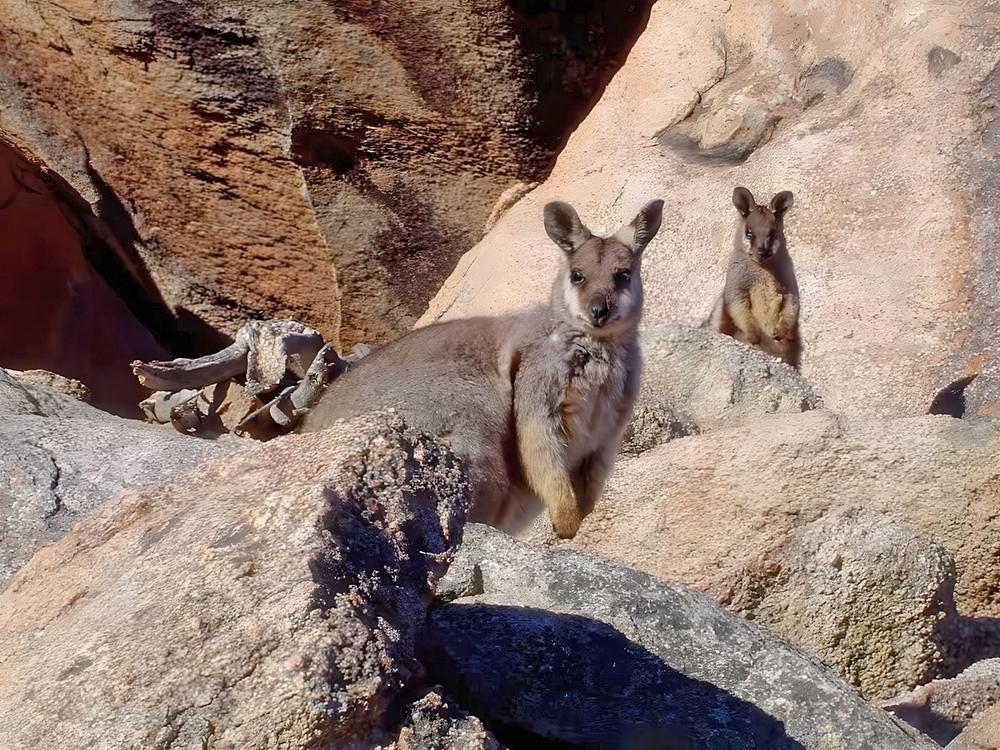
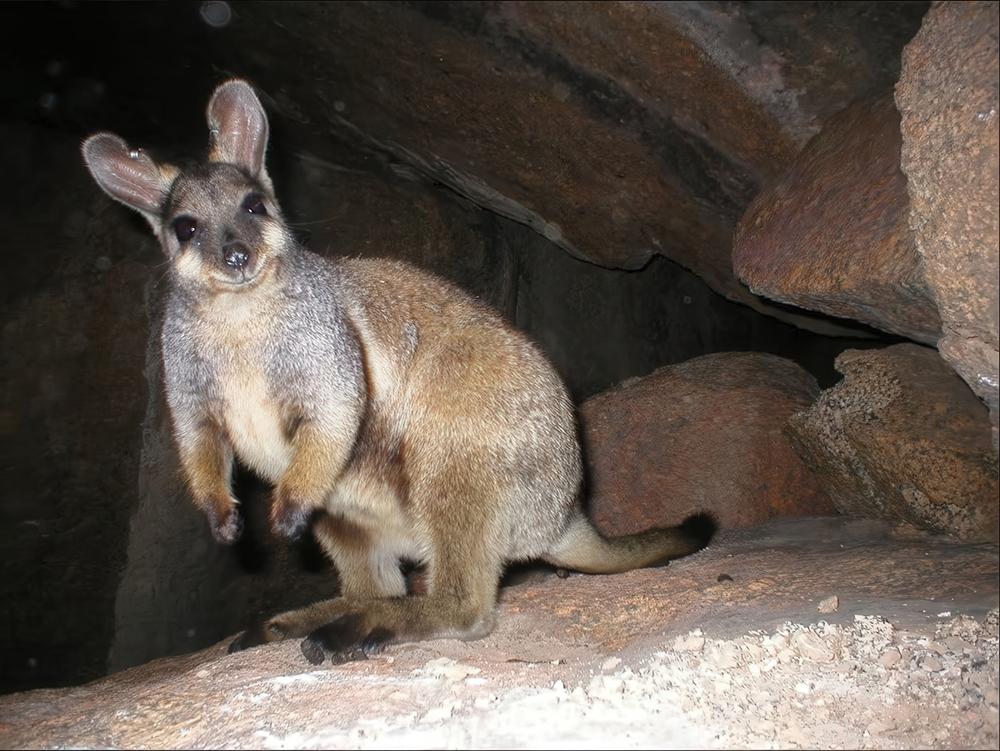
The black-flanked, or black-footed, rock-wallaby is a small and extremely agile species of wallaby that darts among rocky outcrops and caves, making it challenging to find and track.

DBCA’s Parks and Wildlife Service rangers’ recent success in moving 44 rock-wallabies from the Nangeen Hill Nature Reserve in the Wheatbelt to Kalbarri National Park is expected to further bolster the Kalbarri wallaby population. This was a population once thought extinct until feral animal control, through DBCA’s Western Shield program, and translocations enabled wallabies to flourish in Kalbarri once more.

In 2015, a tiny population of black-flanked rock-wallabies was rediscovered in the park by rock climbers, after being thought to be locally extinct for 20 years.

To boost conservation of the species, 72 rock-wallabies were released into the park, from larger healthy populations, between 2016 and 2017. The released animals were initially monitored using radio collars to understand their movements. The collars were later removed and the population has since been monitored using remote cameras.

Nanda Aboriginal Rangers assisted with this translocation and the flight was made possible thanks to the support of WWF-Australia. The success of the Kalbarri rock wallaby program makes it one of WA’s great conservation success stories.

Rock-wallabies continue to be recorded at Kalbarri, including a recent sighting at the skywalk – a considerable distance from the original release sites. The resurgence in rock-wallaby numbers in the park, and the diverse range of wildlife in Kalbarri National Park, has been supported by DBCA’s Western Shield program.

Craig-PetlandBlack-flanked-rock-wallaby-Central-Wheatbelt-SW-Aust1000pxw
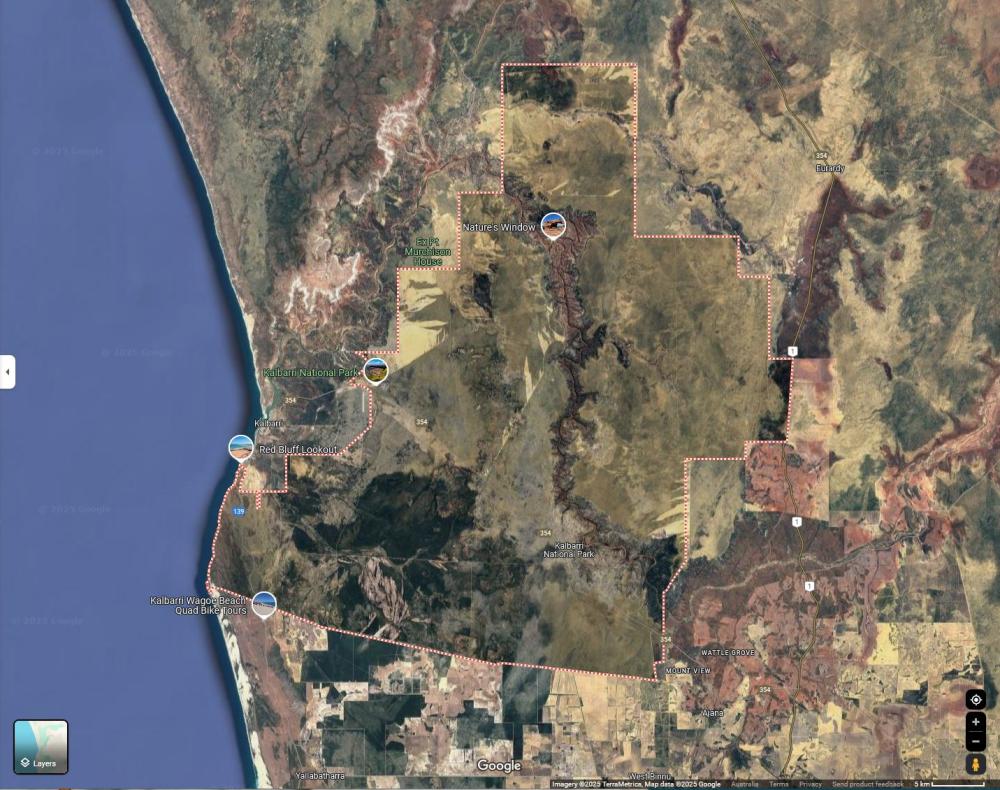
Google-MapsKalbarri-NP-WAScreenCapture
Phil-Lewis-and-Mike-Griffiths-WWF-AusBlack-flanked-rock-wallaby1000pxw
Alex-GoreKalbarri-NP-gorge1000pxw
Alex-GoreDBCACarrying-wallabies-into-Kalbarri-gorge1000pxw
Alex-GoreDBCA-MediaReleasing-wallabies-in-Kalbarri1000pxw
Alex-GoreDBCA-MediaReleasing-a-rock-wallaby-in-Kalbarri21000pxw
Alex-GoreDBCA-MediaKalbarri-rock-wallaby-on-camera-trap41000pxw
Alex-GoreDBCA-MediaKalbarri-rock-wallaby-31000pxw

Western Shield: protecting WA’s vulnerable native animals from feral predators

DCBA’s Western Shield program aims to protect native species – primarily small and medium-sized mammals and some ground-nesting birds and reptiles – that are vulnerable to predation by foxes and feral cats.  

Foxes and feral cats have been identified as a key cause of the extinction and decline of dozens of native animal species across Australia. Suppression of fox and feral cat numbers is a crucial step in successfully reintroducing, recovering or maintaining native fauna populations in the wild.

Research shows that one of the most effective ways to ensure the survival of many native animals in the wild is to manage introduced predators, including foxes and feral cats. Without this work, the many native species protected by the Western Shield program could be lost forever or only found in small, fenced reserves.  

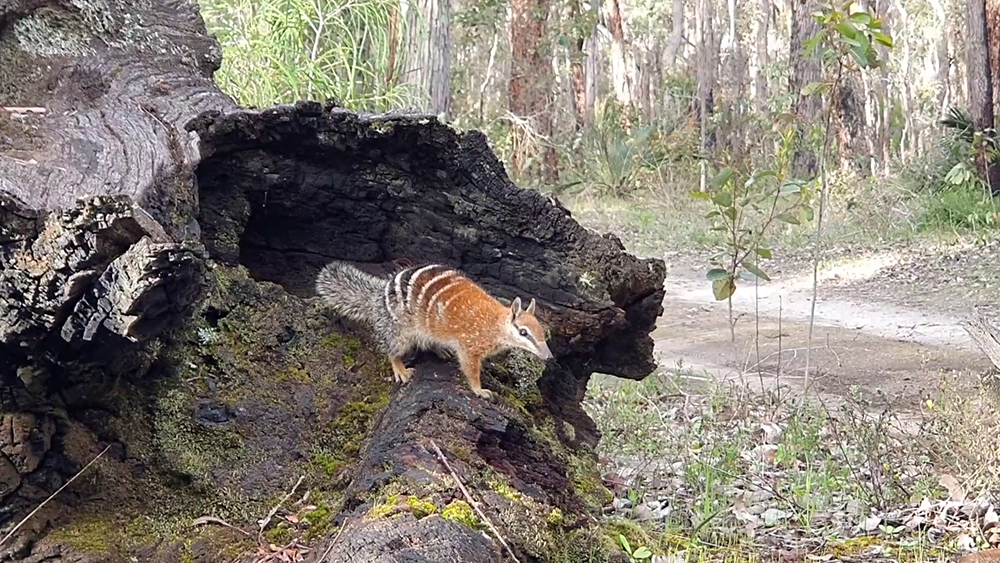
Western Shield’s work has facilitated increases in the population size and distribution of native species, including the numbat, quokka, western brush wallaby and black-flanked rock-wallaby. 

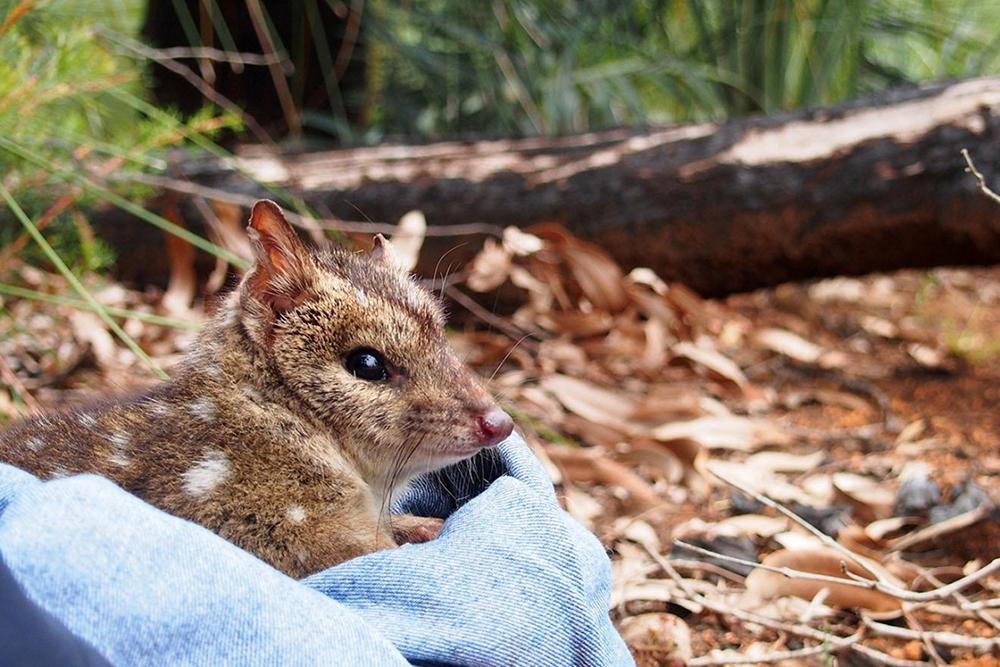
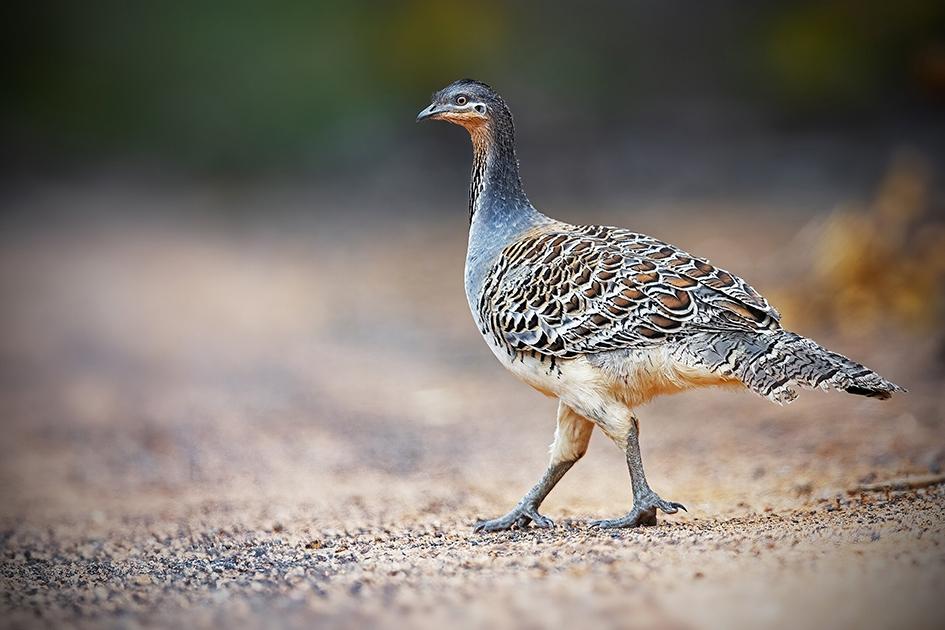
Kalbarri National Park, situated on the Midwest coast of Western Australia, is a significant conservation area home to threatened native species, including the chuditch, also known as the western quoll (Dasyurus geoffroii), the black-flanked rock wallaby and malleefowl (Leipoa ocellata). The chuditch population was reintroduced to the site through translocation in the early 2000s, while the rock-wallabies were first translocated in 2016.

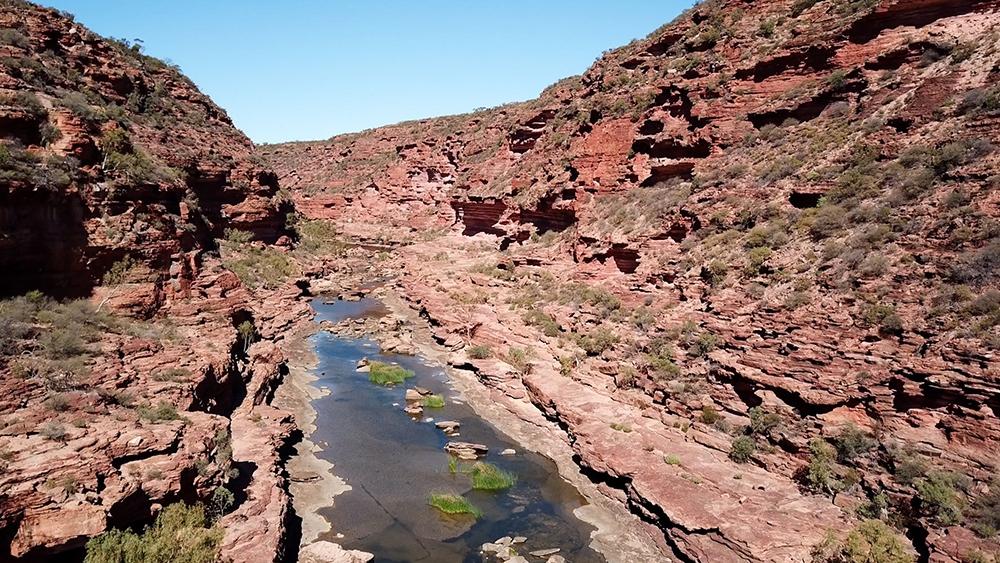
Covering more than 194,000 hectares, the park surrounds the lower reaches of the Murchison River, which has cut a magnificent 80km gorge through the red and white banded sandstone.

This river is critical to wildlife in the area. To protect animal species like the chuditch and rock wallaby, DBCA is managing foxes and feral cats at this site.

www.dbca.wa.gov.au/westernshield

Georgina-AndersonDBCAa-chuditchSML
JJ-HarrisonMalleefowl0A2A4564SML


Western Shield: meet the predators

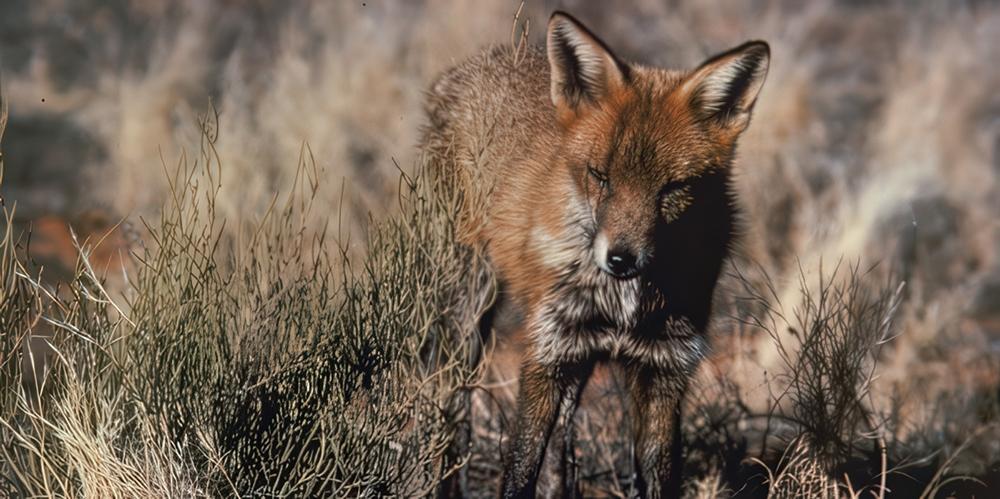
The arrival of the European red fox (Vulpes vulpes) fox in WA’s south-west in the late 1920s coincided with a steep decline in the numbers of smaller native mammals in the southern part of the state.

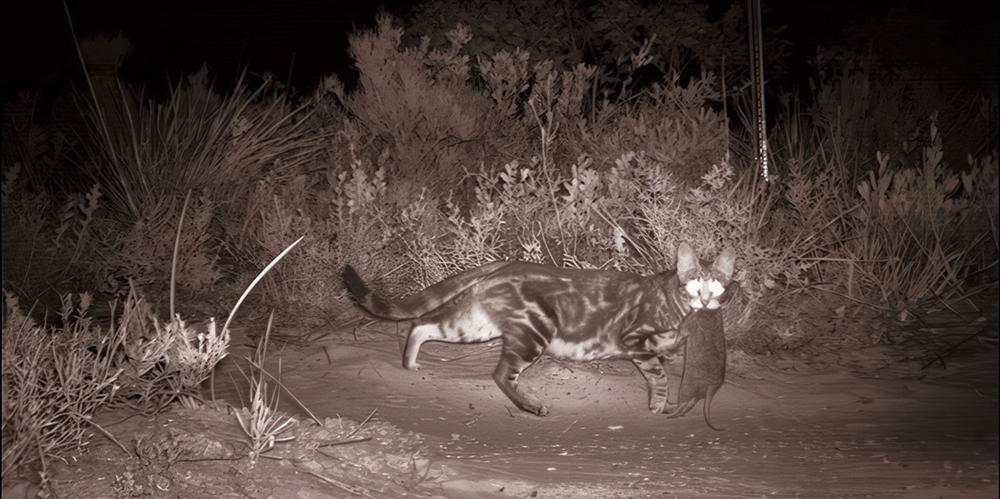
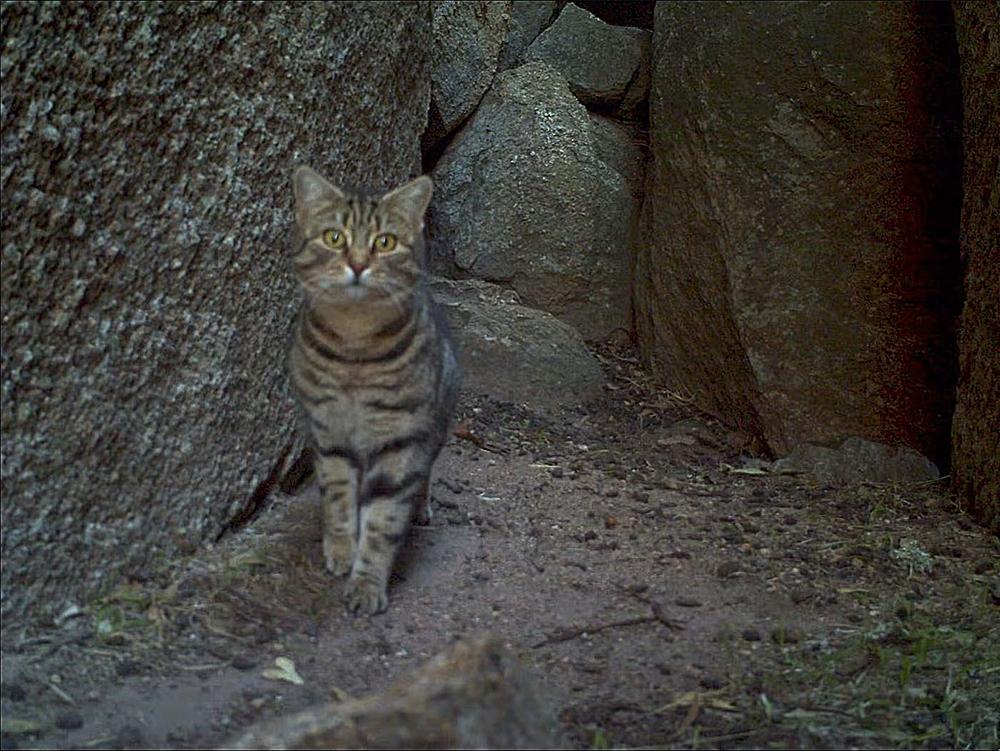
Fox management led to the recovery of several threatened species in the 1990s in WA, however, the impact of feral cats (Felis catus) became more prominent as a result. To address this issue, efforts are being made to integrate feral cat management into existing fox management by DBCA.

DBCAferal-cat-on-remote-sensingcamera-and-carrying-a-bandicootSML
Phil-Lewis-WWF-AusFeral-cat-in-black-flanked-rock-wallaby-cave-SW-AustraliaSML
BabsandBertWellseuropeanfoxSML


Scientific methodology: saving rock-wallabies … and more
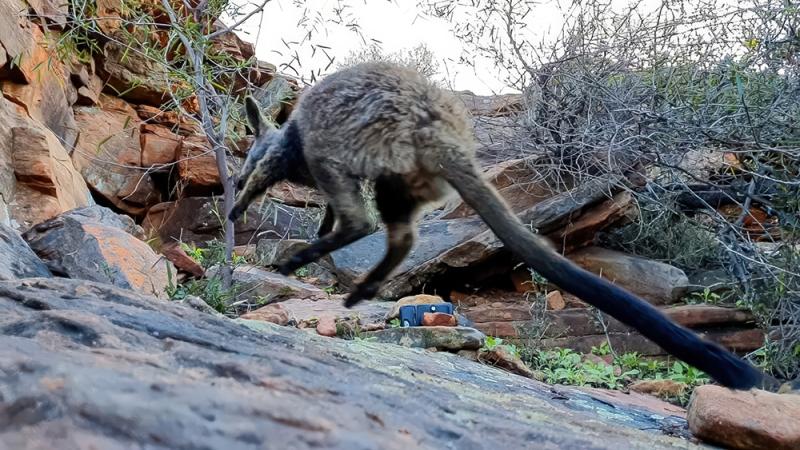
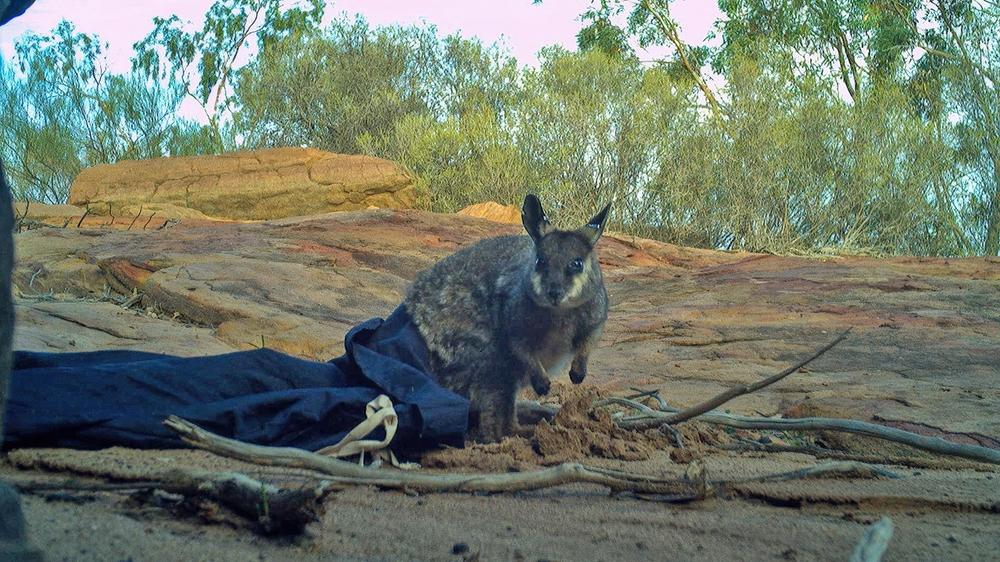
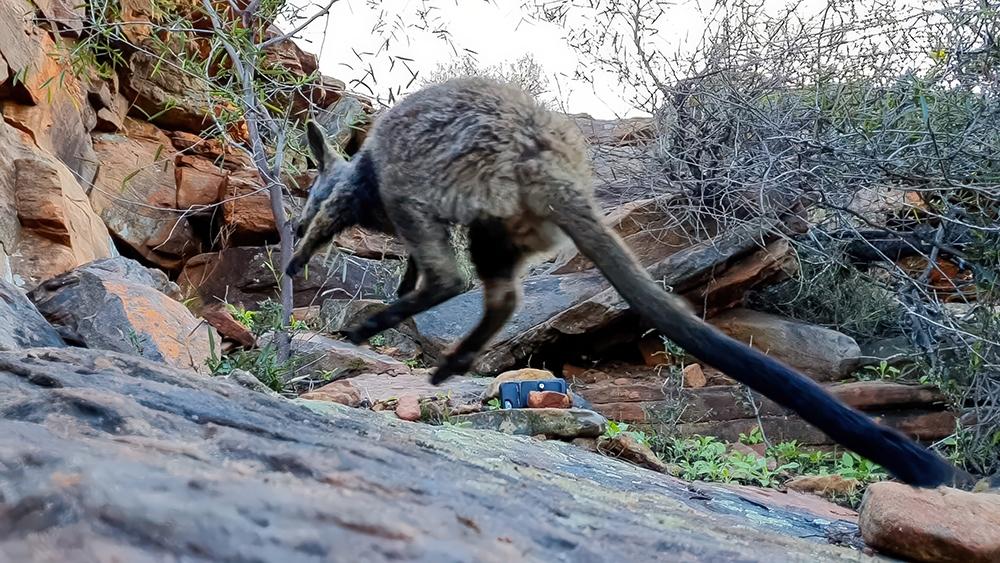
Alex-GoreDBCA-MediaKalbarri-rock-wallaby-31000pxw A Kalbarri rock-wallaby on the move. Photo: Still image from video footage of the Kalbarri rock-wallabies‘ translocation. © Alex Gore, DBCA Media.

THE TRANSLOCATION of threatened animals seeks to reduce the risk of extinction or the loss of genetic diversity by establishing new populations. In Western Australia, translocations of animals have been undertaken for more than 30 years.

The translocation of black-flanked rock-wallabies (Petrogale lateralis lateralis) into Kalbarri National Park over a three-year period from 2016 to 2018 is an excellent example of how translocations are organized and the expertise and teamwork required to carry them out. But despite extensive planning, even the translocation had some unexpected twists.

While most species of rock-wallabies are not considered threatened or endangered, there are significant concerns for a few species whose populations are declining. WA has five species of rock-wallabies, but the most widespread, the black-flanked rock-wallaby, is further divided into two subspecies and two distinct genetic races. The genetic variation has come about because of the isolation of different populations over many thousands of years, leading to the development of distinctive localised populations.

The subspecies Petrogale lateralis lateralis has the widest distribution of all, extending from one island off the southern WA coast all the way to Cape Range near Exmouth and Barrow Island off the Pilbara coast.

However, across this vast range, the rock outcrops actually occupied by these rock-wallabies are few and far between. There is a reintroduced population in Cape Le Grand National Park and six small populations that occur in the Wheatbelt near Kellerberrin.

Before the ecosystems were invaded

At the time of the European settlement, there were many more rock-wallaby individuals and populations. They were recorded as being very numerous in the Avon Valley National Park and Paruna Sanctuary. Heading north from Perth, scattered populations have been recorded in Kalbarri and Cape Range national parks, and in some remote desert ranges along the eastern edge of the Pilbara.

A small population occurs on Barrow Island, and black-flanked rock-wallabies were driven to extinction by foxes on Depuch Island, near Whim Creek.

WA currently has more than 249 threatened fauna species, including 41 mammal species, so the task to improve the situation for all of these species is a challenge.

A 10-year recovery plan for rock wallabies in WA was prepared in 2013 and identified a number of recovery actions,

For the black-flanked rock-wallaby, one of the most significant actions to improve the conservation outlook was to carry out translocations to increase the overall size and number of the populations. Why? Because as populations shrink or become fragmented, a species becomes more vulnerable to threats such as predation and environmental catastrophes, and they typically lose genetic diversity, making them at greater risk of extinction.

Science kicks in for wallabies

Genetic work by Dr Mark Eldridge at the Australian Museum used little pieces of ear tissue collected from rock-wallabies captured during regular trapping for monitoring or research. This study indicated that during the past 30 years, the Wheatbelt population has been losing unique genetic material because numbers of rock-wallabies had fluctuated widely and some colonies had declined to just a few individuals.

The small size of the outcrops in this area, droughts and challenges associated with the control of foxes and feral cats that infiltrate from surrounding farmland, made the establishment of new populations of rock-wallabies a priority for action.

Translocations to large areas of former habitat would serve to increase the number of individual rock wallabies and to preserve the current genetic diversity.

Black-flanked rock-wallabies occur in widely separated areas and there are genetic differences between populations. The Wheatbelt population occurs on six outcrops surrounded by agricultural land and is under particular threat because of the small area of habitat and continuing invasion by foxes and feral cats, held back in part by the regular DBCA Western Shield baiting.

In addition, there is a lack of alternative habitat for dispersal when the Wheatbelt population is growing during good seasons. In the past, too many wallabies in dry times resulted in over-grazing of their habitat and the rise of unpalatable weeds. So the source of rock-wallabies for the translocation was clear.

But where should they be translocated?

A large area of suitable habitat was necessary, where threats to the species could be controlled. Kalbarri National Park proved idea: rock-wallabies once occupied the gorge and were last seen there in about 1985.

The Murchison River, which snakes through the park for about 80km, and its side gorges are fringed by vast areas of rocky habitat. The area receives winter rains, similar to the Wheatbelt.

Regular aerial baiting to control foxes and recently feral cats is undertaken in this area, and feral goat control has been in place since 2006, significantly reducing the once-abundant pest.

Additional funds were made available from the Australian Government’s National Landcare Program to undertake wider feral cat control using DBCA’s Eradicat bait and to monitor its effectiveness.

Then, researchers got a surprise

As the DBCA-organised team was putting the finishing touches on the translocation plan, a rock climber in Kalbarri National Park snapped a photo of some wallabies near a popular but remote climbing site and sent them to senior park manager, Mike Paxman.

He immediately recognised the wallabies as a pair of rock-wallabies. DBCA’s Landscope magazine featured a story in its Autumn 2016 issue titled Surprise! Rock-wallabies found in Kalbarri National Park.

This prompted a rethink of the translocation plan. Searches on foot by DBCA and World Wildlife Fund (WWF) staff and volunteers tried to establish if other rock-wallabies were still in the park. Large areas of habitat were surveyed to obtain sightings or to find the distinctively shaped rock-wallaby droppings.

In conjunction with this work, traps were carried into the site where the ‘Kalbarri pair’ resided, with the intention of capturing them to get genetic samples so their relationship to other populations could be determined.

Unfortunately, the Kalbarri pair did not enter the DBCA’s traps, despite their best efforts to lure the wallabies, using every bait they could think of – including ‘pink lady’ apples, a known favourite. So they resorted to the next best thing – “watching the wallabies closely and then racing out to collect any newly deposited droppings”.

Dr Eldridge at the Australian Museum, who gladly accepted them and determined that the Kalbarri animals were genetically distinctive from other populations. His results revealed that their closest affinities were to the Calvert Range rock-wallabies (about 900kn away in the Little Sandy Desert, east of Newman), then those in Cape Range National Park and finally to the Wheatbelt animals.

The discovery of the Kalbarri pair and a failure to find any further individuals, led to a modification in the translocation plan.

“We were concerned that if anything happened to these precious animals the unique Kalbarri genes would be lost for good. So it became a priority for us to expand the population and plans were made to translocate 20 rock-wallabies in May 2016 to establish a new population of mixed Wheatbelt (from two of the large outcrops) to ensure the greatest possible mix of DNA, with the intention to include some Cape Range animals later to further improve the genetic diversity,” it was reported in Landscope.

“In addition to the translocation, we undertook a ‘supplementation’ where three Wheatbelt females were released near the Kalbarri pair so the male could breed with hem and perpetuate the unique Kalbarri genes.”

A second translocation – this time of 25 rock-wallabies – occurred in May 2017, and then, in May 2018, 20 Wheatbelt rock-wallabies and five from Cape Range National Park were released in the park.

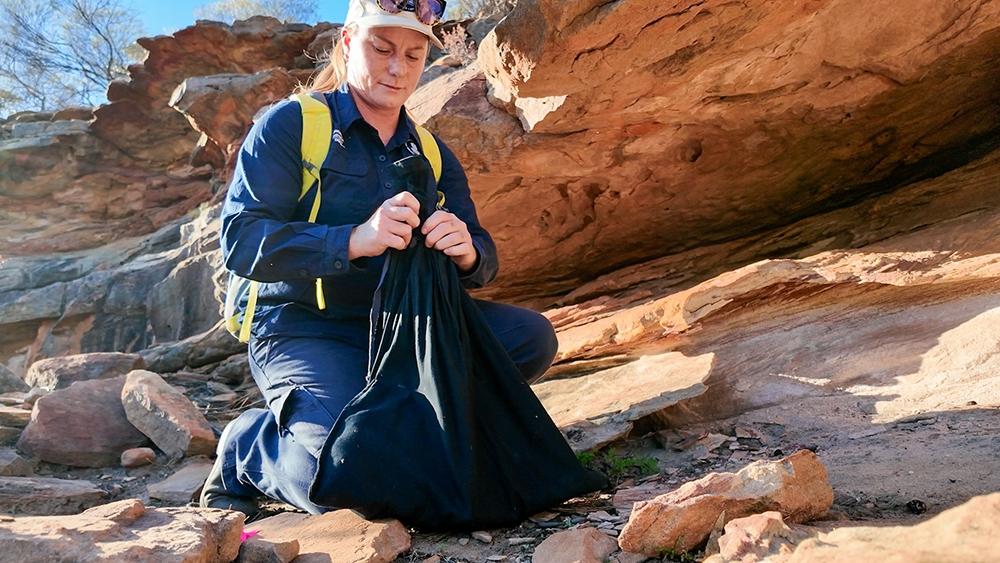
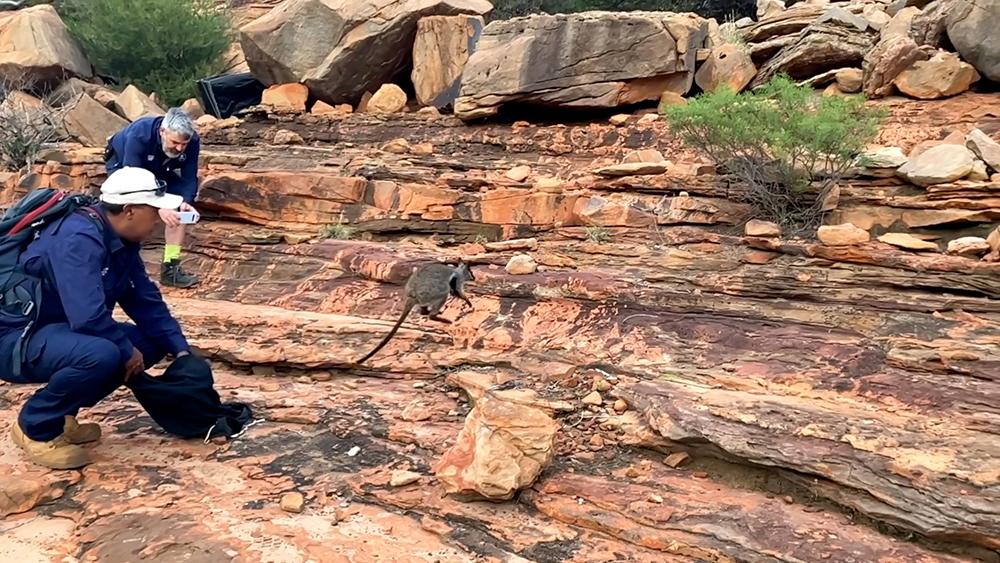
Teams of DBCA and WWF staff and volunteers worked through the night before the translocations to check the traps set up to collect the animals so that by early morning the rock-wallabies we ready to be flown to their new home. Each wallaby was placed in a black cloth bag, put in a ‘pet-pack’ and then carefully loaded onto the aircraft.

Tracking and monitoring is vital

Once in Kalbarri National Park, each rock-wallaby was fitted with a radio-collar so their fate could be monitored.

Each radio-collar transmits on a different frequency and is fitted with a ‘mortality’ feature which indicates when there has been no movement for several hours. So, if a rock-wallaby dies or the collar falls off, park rangers can recover it and determine the cause of death.

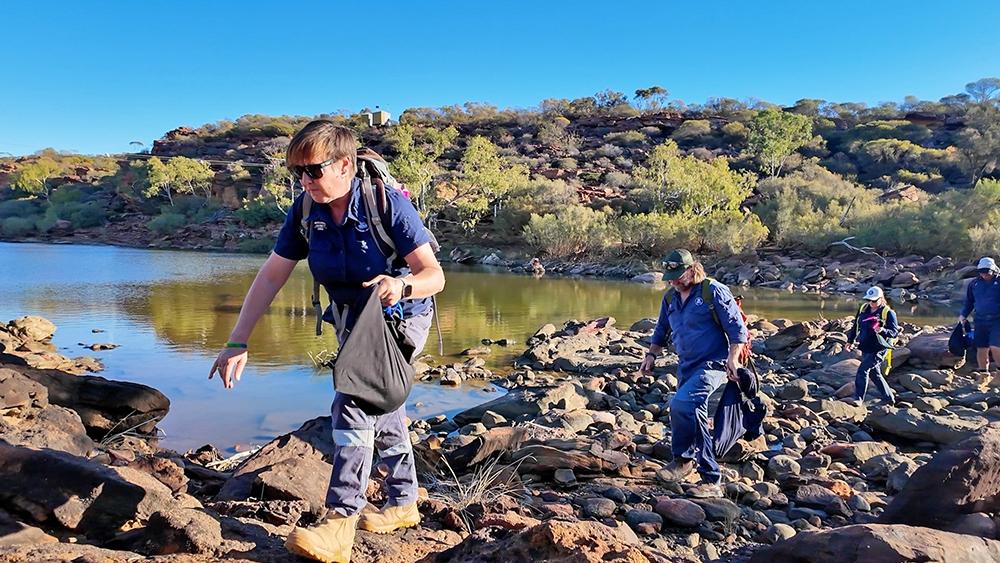
In the late afternoon, the rock-wallabies were gently carried into their new home by the enthusiastic team, which included the DBCA and WWF staff and Bush Ranger cadets from the Kalbarri District High School.

Monitoring the translocations is very important. Surveying is carried out at the source site to ensure that the population is not negatively impacted by having animals removed, and at the release site, to determine the success of the translocation.

Kalbarri National Park rangers regularly travel to high points in the park to listen for radio-collared wallabies. If any mortality signals are received, they locate the animal and/or collar. Evidence showed one rock-wallaby died in 2016 from a fall; one was killed by a fox in 2017; and in 2018 two were killed by predators and two others apparently died after falls. Male rock-wallabies frequently wandered from the release area and a small aircraft fitted with radio-tracking aerials was used to locate them.

After the 2018 release, follow-up trapping at previous release sites was carried out to collect genetic samples. This resulted in several exciting results.

Genetic analysis by DBCA’s fauna geneticists, Kym Ottewell and university researcher Kristen Nilsson found that a translocated Wheatbelt female had a pouch young that possessed unique Kalbarri genes, but not those of the male of the ‘Kalbarri pair’. This indicated that other Kalbarri rock-wallabies were still in the area, albeit at very low density.

Kalbarri genes were also present in a juvenile male captured where the supplementation was undertaken, meaning the male of the ‘Kalbarri pair’ had sired a rock-wallaby with a Wheatbelt female. The research team was also “delighted to get large numbers of recaptures from both of the earlier releases with wallabies in good condition and most females carrying pouch young”.

Those who worked on the translocations – Parks and Wildlife officers from the Wheatbelt, Midwest and Pilbara regions, and the DBCA Biodiversity and Conservation Science staff, as well as WWF staff, Kalbarri Bush Ranger cadets and numerous volunteers – and the community at large can be optimistic that, with continued monitoring and fox and feral cat control, rock-wallabies will remain a feature of Kalbarri National Park for many years to come.


FURTHER INFORMATION

Joint authors of this report and their roles at the time were:

David Pearson, DBCA principal research scientist; Mike Paxman, Kalbarri National Park senior ranger; Anthony Desmond, DBCA Midwest region nature conservation leader; Jazmin Lindley, Merredin district assistant operations officer; and Juanita Renwick, DBCA senior zoologist.

More information can be found on the DBCA website www.dcceew.gov.au/environment/biodiversity/threatened/action-plan/priority-mammals/brush-tailed-rock-wallaby

#ends

Ad positions


  • Hits: 382

Unveiling of new Red Dog sculpture ignites ‘healthy rivalry’ between Pilbara towns

By Eddie Williams and Andrew Collins ABC Pilbara

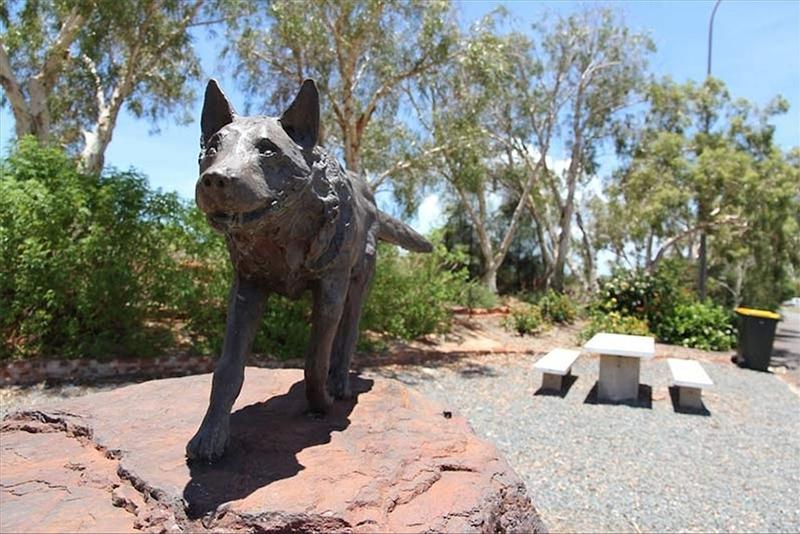
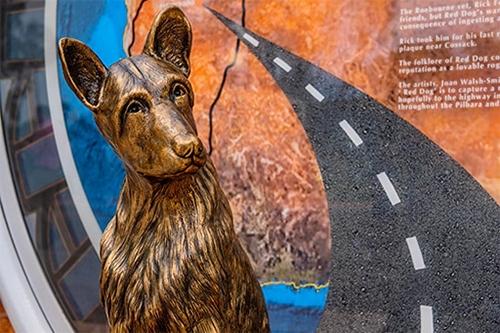
♦ A statue of much-loved Red Dog now has pride of place in Pardburdoo, where he was born.

♦ As a year 6 student, Holly Dutch lobbied the local shire to commission the statue.

♦ A longstanding Red Dog statue already sits in the town of Dampier.

A CAMPAIGN by local primary school students has inspired a new sculpture of Red Dog at his birthplace in Western Australia's Pilbara region, sparking an inter-town rivalry

The iconic dog was born in 1971 in mining town Paraburdoo, more than 1,500km north of Perth.

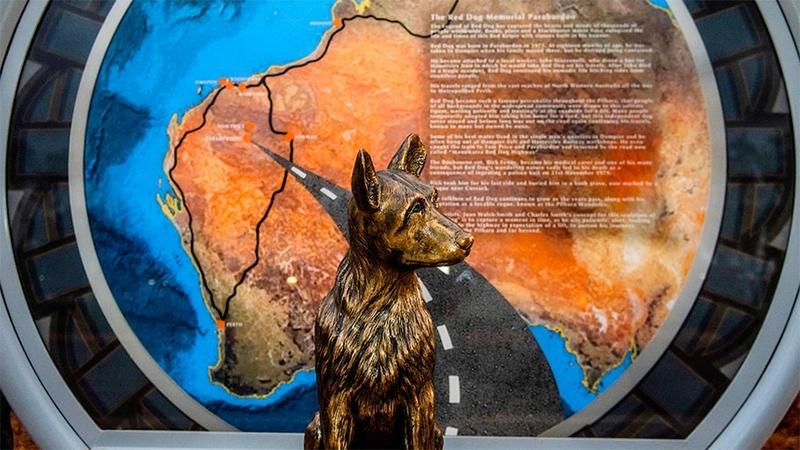
He and his original owner later moved across the Pilbara to Dampier, where the first Red Dog sculpture was erected in 1979, honouring the kelpie’s famous travels and friendships across thousands of kilometres in the north-west.

Also known as the Pilbara Traveller, his story has been immortalised in book, film and, as of Tuesday evening, a second statue.

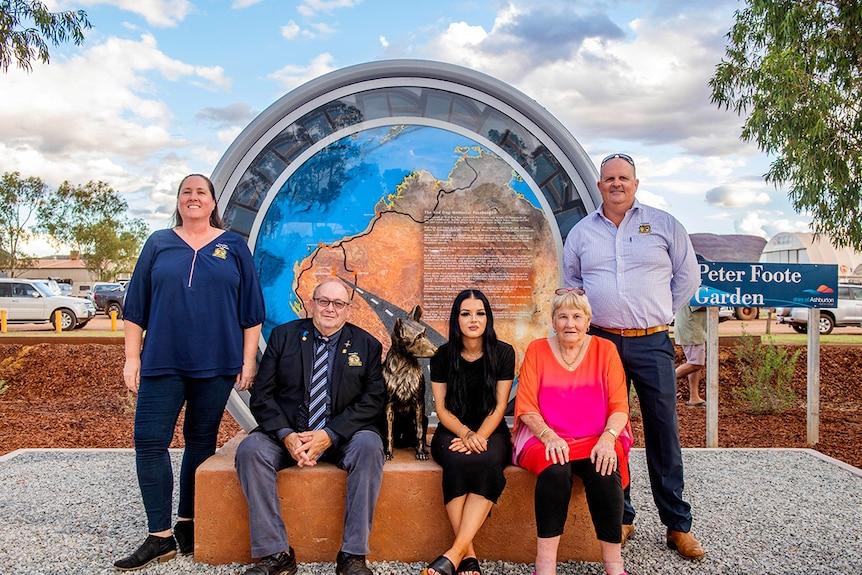
Ashburton Shire President Kerry White is “absolutely” expecting an influx of visitors to see the new sculpture at Paraburdoo, which she insists is far nicer than the “pretty plain” monument in Dampier.

But Paraburdoo Primary School deputy principal Caragh Livingstone played down talk of sculpture conflict.

“Healthy rivalry is fine, but I think more so it’s about us being highlighted as part of the story,” she said.

“It is such a legend that people associate with the Pilbara, and now we get to celebrate that we were part of the origin of the Red Dog story.”

Red Dog’s vet, Rick Fenny, was in Paraburdoo for the sculpture’s unveiling and says the sculptures complement each other.

“These two statues bookend the [Manuwarra Red Dog] Highway,” he said.

“There's the opportunity for a lot of interpretative [signage].

“It is, in my opinion, going to be one of the greatest tourist attractions in this country."

Inspired by children’s voices

When then Paraburdoo Primary School captain Holly Dutch went on Year 6 camp to Dampier, she saw the famous Red Dog statue there.

“I wondered why he wasn't recognised in the place he was born,” Holly said.

After receiving her school’s support, she addressed councillors in 2018, who backed her idea for a statue.

Despite leaving town a year later, Holly’s family stayed in touch.

The shire invited Holly, now aged 16, to unveil the sculpture.

Coincidentally, the family was already preparing to relocate back to Paraburdoo.

“It was fantastic and the greatest moment when he was unveiled,” Holly’s mother Kim said.

“The kids were patting [and] hugging him and it was great to see the joy on their faces.”

Deputy principal Caragh Livingstone has lived in town for the past decade and says children's voices are “pretty powerful”.

“[It’s] a really wonderful reflection of our town and school that the idea was shared and then also supported and now brought to fruition,” she said.

“Red Dog's a bit of a local icon and part of our town’s folklore.”

Supplied-Shire-of-Ashburton-Elly-LukaleRed-Dog-puppy-sculpture-Paraburdoo800pxw

Red Dog has been immortalised as a puppy in a new sculpture at Paraburdoo. (Supplied: Shire of Ashburton/Elly Lukale)

Stephen-Stockwell-ABC-RuralRed-Dog-statue-at-Dampier800pxw

The original Red Dog statue sits at the entrance to the Pilbara town of Dampier. (Stephen Stockwell: ABC Rural)

Supplied-Shire-of-Ashburton-Elly-LukaleRed-Dog-puppy-sculpture-Paraburdoo-2500pxw

Ashburton Shire hopes the new sculpture will help attract visitors. (Supplied: Shire of Ashburton/Elly Lukale)

Supplied-Shire-of-Ashburton-Elly-LukaleRed-Dog-puppy-sculpture-unveiling-Paraburdoo800pxw

Holly Dutch was front and centre at the sculpture's unveiling on Tuesday. (Supplied: Shire of Ashburton/Elly Lukale)


FURTHER INFORMATION

The original ABC News story can be found at:

www.abc.net.au/news/red-dog-sculpture-paraburdoo/102186754

Original publication date April 6, 2023.

#ends

Ad positions


  • Hits: 848

The Metal Detector

yaruman5CC-BY-NC-ND-20Cockburn-RangeBy John Wade

Terry McLeod from Wyndham was always a good source of local information and he liked to let you know he was ‘the font of all knowledge’ regarding everyone, anything and everything happening in the town and district.

He was a friendly type of fellow: we met in Wyndham in 1988 soon after I moved to Darwin. My new job with BP in November 1987 was ‘Manager, Northern Territory’ and the management of the BP offices in Perth and Brisbane agreed in 1988 that, due to the vast distance from Perth, it would be more cost effective to administer the East Kimberleys from Darwin.

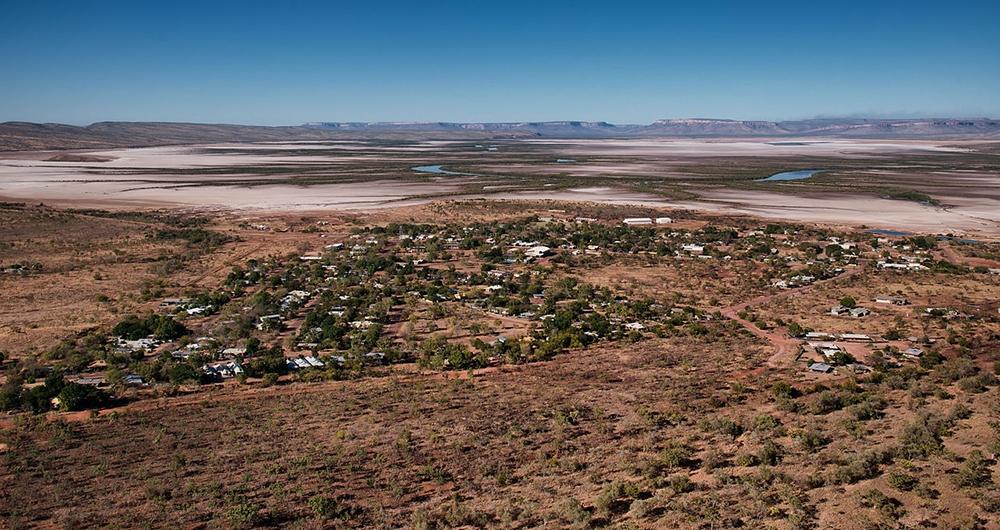
DjambalawaOwn-workCC-BY-SA-30Wyndham-WA Wyndham, Western Australia, looking southwards towards King River with the Cockburn Ranges in the distance.

Kununurra was only about 55 minutes flying time from Darwin. Rather than delegate this new responsibility to either of the Northern Territory area managers, David Llewelyn or Geoff Kingston, I decided to take on the additional responsibility as ‘Area Manager, East Kimberleys’ myself. I enjoyed getting to know this most special area of Australia, its scenery and, most importantly, its people.

Wyndham was once a busy meat export centre and the shell of the abattoir was still there, but a lot of equipment had been sold or taken away. The town was very quiet but still had a sense of history about it.

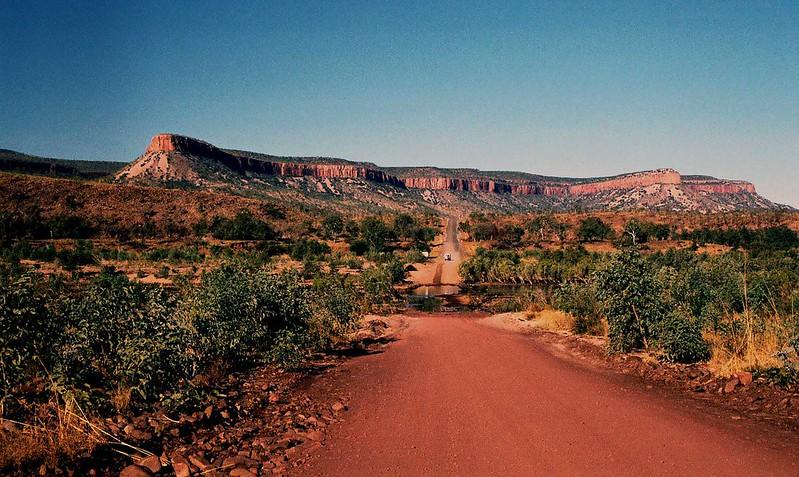
The surrounding country is visually stunning with impressive ranges, such as Cockburn Range, which for me generated an awe-inspired feeling of a vast and ancient landscape. I learnt to understand how Aboriginal people revered the landscape.

Terry McLeod was keen on the prospects of the potential diamond exploration industry – then at its very early stage of exploration – and what financial benefits this activity could bring to the town. Fitzroy Diamond Corporation, of which I was company secretary and a director, had not yet been granted the Exploration Licence in Cambridge Gulf, adjacent to Abrolhos Island – application pending.

Prior to my arrival in the area, Terry had met Ken Rehder and the ‘Grey Ghost’, Graham Beith, of Pacific Arc Exploration, and organised a barge for them to venture out into Josephine Bonaparte Gulf to search for diamonds.

Terry introduced me to Trevor Nelson, who was an innovative and clever fellow and a very able operator and improviser of mining and earth-moving machinery. He was also a very sound thinker. We will return to Trevor later in the story.

A couple of years later, I took two weeks’ annual leave from BP and set off for Montejinnie Station, 600km southwest of Darwin, on the minerals exploration program I’d set up with Charles Phipps. I’d borrowed Terry’s metal detector and we’d made a deal that I would share 10 percent of anything I found of value with him, being the owner of the equipment.

I asked him if he’d ever found anything valuable with it.

“I’m not sure,” he replied slowly. He then told me that he’d once taken it out to an abandoned Chinese market garden a few miles out of Wyndham. In the background, the majestic Cockburn Range escarpment dominates the landscape with its ageless façade. The Chinese gardener built up a small business – but had been speared by members of the local Aboriginal tribe after he had enticed one of the women to his camp.

I asked Terry if he found anything interesting there and he ventured ‘no’ but his response was guarded and when I pressed him further he admitted he was ‘a bit mystified’ about his only discovery.

The Chinese gardener had stacked up the rocks he’d collected from the area of fertile soil he’d chosen for his garden into five rock cairns scattered around the perimeter. Terry told me he had put the metal detector over one pile of rocks and got a strong signal.

He moved some of the rocks by hand and found a jam tin further down.

“Terry, what was in the tin?” I asked. “Only some lead – it was about one quarter full.”

He said he had found one tin in each rock pile, all with lead in them. “What did you do with them?” I quickly asked.

“Mate, it was only lead, so I put the tins back and replaced the rocks over them.”

Lying in my swag at ‘Montejinnie’ one night, under full night-time exposure to the vast canopy of stars and the magnificence and awesome power of the universe, the meaning of the tins of lead finally flashed into my comprehension. My ‘light bulb moment’ led me to the only rational conclusion possible:

The wily old Chinaman had put his gold sovereigns and half sovereigns in each tin then melted enough lead to cover the coins. If anyone ever found the tins, there was nothing of value to be seen and certainly no one would be able to see the colour of his gold. After all that time, his strategy had been smart: it certainly fooled Terry! I was anxious to get back to Wyndham to put my theory to the test.

Meanwhile, down at Montejinnie, Charles Phipps and I were not in obvious gold-bearing country but you cannot really tell much about the creeks which could be carrying alluvial gold and small nuggets, like Halls Creek over the border in Western Australia.

One afternoon, I turned on the metal detector and tuned it, then set out up the big, dry, sandy creek where we had camped for lunch. I walked a long way from the creek crossing without getting any sort of a signal. Still, I kept going and suddenly a strong signal gave me a start. Backwards and forwards, I moved the detector in diminishing arcs and bent down to look at the find. Would you believe it? I had found a 1½ inch nail, way out in the middle of Australia! I had the sudden notion of someone flying over the outback throwing out nails from an aircraft to cause much excitement and heart palpitations for enthusiastic prospectors like me!

Every day, while we were at Montejinnie, I could not get Terry’s story about the market garden out of my mind. When I returned to Wyndham I handed back the metal detector and told Terry about the nail, so his 10 percent share did not really require any serious calculation. We both had a laugh about that.

Casually I said, “Let’s go out early tomorrow morning and have another look at the Chinaman’s piles of rocks and bring back the tins with the lead in them.”

I fully expected we could melt the lead, pour it off and then count the spoils and divvy them up, this time me taking the 10 percent. I could visualise the gleam of gold as we poured off the lead to reveal the sovereigns. My vision about the cache of sovereigns excited Terry too.

Early next morning at the abandoned garden, we could not find one tin in any of the piles when we removed the rocks. Terry couldn’t understand it.

“For goodness sake Terry, you didn’t tell anyone did you?” I asked.

He scratched his head and looked pretty sheepish or stupid, it did not matter which.

“Only Trevor Nelson,” he replied.

# ends


  • Hits: 851